

This educational research summary does not replace individual medical or nutrition advice.
Science-news source: ScienceDaily
GLP-1 weight loss and diabetes drugs linked to nutritional deficiencies in nearly 1 in 6 children
News publication date: September 23, 2026
News summary
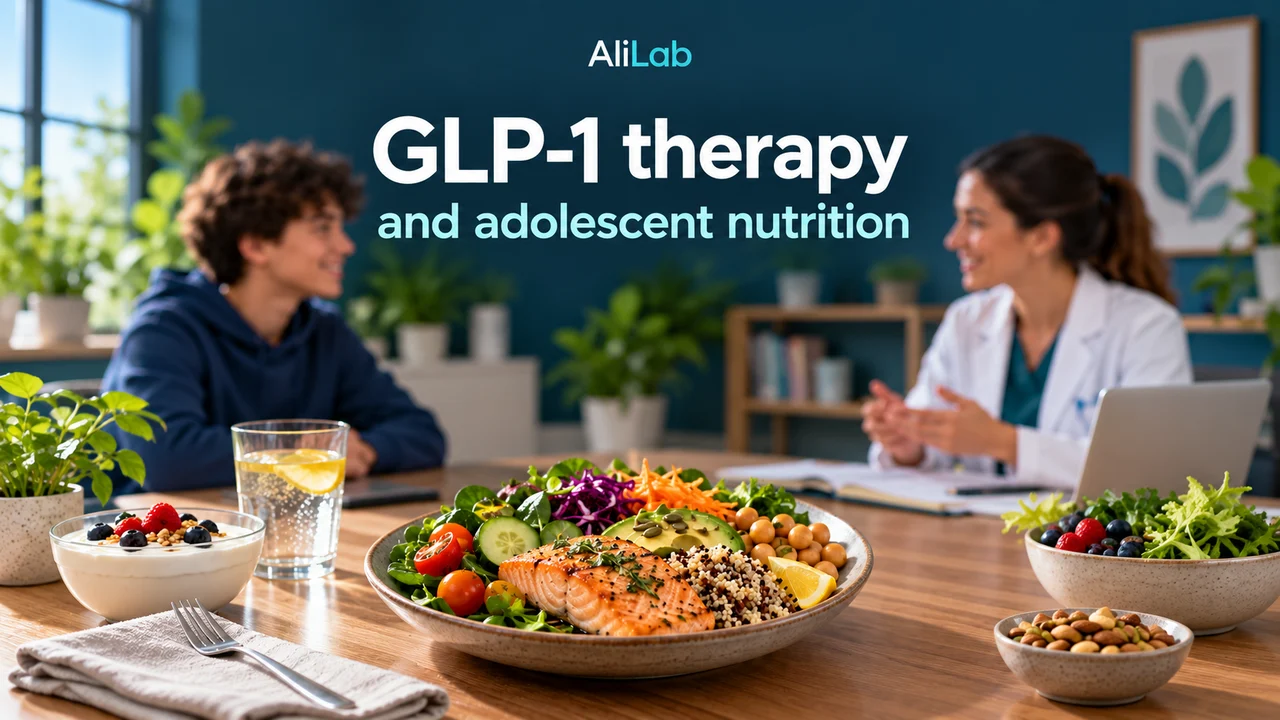
Drug treatment for adolescent obesity and diabetes also calls for attention to nutrition. ScienceDaily reported a study of insurance records for 2,031 young people starting glucagon-like peptide-1 receptor agonists (GLP-1 drugs). Within a year, roughly one in six had a recorded nutritional deficiency or related complication, most commonly vitamin D deficiency. Researchers highlight nutrition support from treatment initiation, during an important period of growth.
Original research title
Nutritional Deficiencies, Complications, and Nutrition Therapy/Counseling in Pediatric Patients Using GLP-1 Receptor Agonists
Table 2 reports a 12-month composite incidence of 16.8% for nutritional deficiency or related complications; deficiency alone was 15.5%, and vitamin D deficiency 12.4%. The finding is not one-third. Only 5.8% had recorded nutrition therapy or counselling within 30 days. Outcomes were claims-based diagnoses, not uniform laboratory screening.
The practical message is to pair treatment with attention to food intake and growth-related nutrition needs. These findings do not justify stopping medication or routinely taking supplements without assessment; medication and deficiency monitoring decisions belong with the treating team.
No non-user control was included, so causation cannot be established. Claims lacked laboratory values and dietary detail, and diagnosis depends on care use. Most participants received liraglutide, limiting generalization across drugs. Several authors are employed by Abbott.
Discussion
Comments
Share your view on this research update.
Loading comments…